
The 2016 ballot measure for Sound Transit’s $54 billion expansion defied conventional wisdom about voter appetite for expanded rapid transit in Puget Sound. In the early stages of the long road to the measure reaching the ballot, the vast majority of stakeholders and onlookers believed voters lacked the appetite for such an ambitious transit expansion.
When EMC Research investigated the options, our research showed no statistical difference between voter support for smaller versus larger funding asks. The conventional wisdom was too conservative.
Nearly a decade later, as agencies and organizations across the country face similar ‘impossible’ challenges, the lessons from Sound Transit’s success are more relevant than ever. And its journey to one of the nation’s most expansive transit systems proves a fundamental truth: conventional wisdom needs to be tested and not accepted as truth.

The Conventional Thinking Trap: What We Accept Without Questioning
Organizations build entire strategies on beliefs they’ve never actually validated. These unexamined assumptions become invisible ceilings that limit what seems achievable, shaping every decision from messaging to project scope.
Consider today’s unchallenged assumptions across different policy areas. Housing agencies assume communities won’t support high-density development. Transit authorities believe voters prioritize cost over vision. Retailers assume customers won’t pay premium prices for sustainable products.
But what if these “truths” are as wrong as the belief that people wouldn’t support an ambitious vision?
The question that drives effective public policy research is simple yet transformative: If you never question conventional wisdom, what could you be doing?
The Sound Transit Revelation: What Research Uncovered
EMC Research conducted comprehensive survey research with voters across the region. We tested reactions to specific project costs and timelines, and measured how support changed.
The breakthrough insight was surprisingly simple: the smallest tax increase and the most ambitious one performed at roughly the same levels. Even though the most ambitious option represented a larger tax increase, support consistently held well above the majority threshold needed to approve it.
One of the consistent themes EMC has observed is the continued willingness of voters in the greater Puget Sound to invest in mass transit expansion. This willingness has only grown stronger as the light rail system continues to expand. Over the course of nearly 30 years, EMC has demonstrated how research-driven approaches can transform what seems politically impossible into reality.
What became clear from our research was that the fundamental question was wrong. Instead of “How much will voters pay for transit?” the real questions were “How can we meet the public’s vision for the future of the region?” and “What kind of regional transformation do voters want to see?”

The Opportunity Cost: What’s Possible When You Question Assumptions
Questioning one fundamental assumption often reveals a cascade of other limiting beliefs worth examining. When Sound Transit proved voters would support bold investments for visionary projects, it opened possibilities for other bold regional initiatives that previously seemed out of reach.
The long-term impact? Established research partnerships enable continuous discovery of new possibilities, with each tested assumption revealing strategic advantages for the next initiative. The real value isn’t just the single win — it’s having research inform the ongoing decisions that get agencies from where they are to where they want to be in fewer steps.
Beyond What Everyone Knows
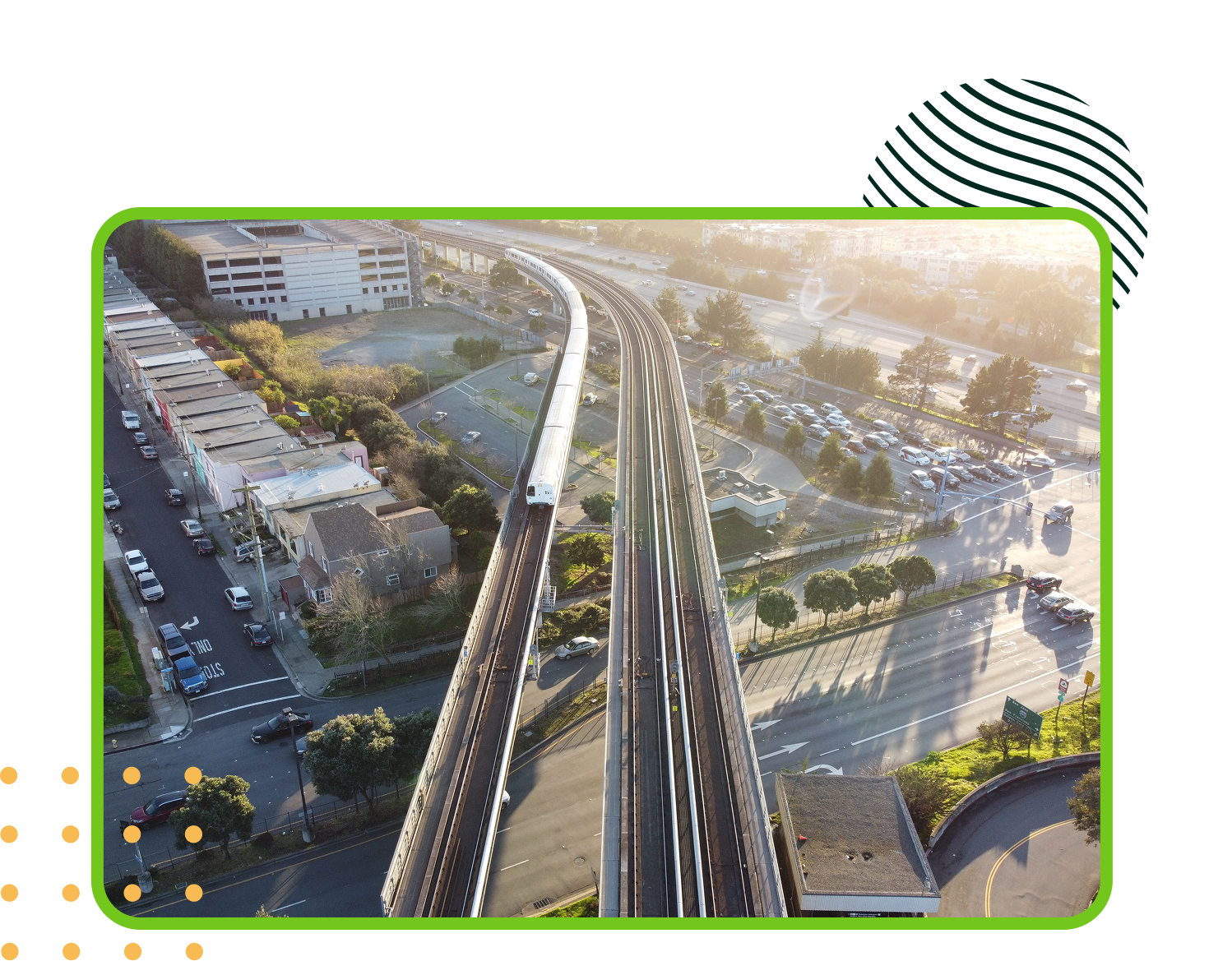
The 2016 ballot measure for Sound Transit’s $54 billion expansion defied conventional wisdom about voter appetite for expanded rapid transit in Puget Sound. In the early stages of the long road to the measure reaching the ballot, the vast majority of stakeholders and onlookers believed voters lacked the appetite for such an ambitious transit expansion.
When EMC Research investigated the options, our research showed no statistical difference between voter support for smaller versus larger funding asks. The conventional wisdom was too conservative.
Nearly a decade later, as agencies and organizations across the country face similar ‘impossible’ challenges, the lessons from Sound Transit’s success are more relevant than ever. And its journey to one of the nation’s most expansive transit systems proves a fundamental truth: conventional wisdom needs to be tested and not accepted as truth.
Ian Stewart
Ian Stewart is Senior Principal at EMC Research, where he has spent over 25 years helping organizations make strategic decisions through expert opinion research. He has led hundreds of projects across the United States, providing strategic guidance on critical public opinion decisions.